
- Home/
- Buy Viagra Online in the United States – Fast and Secure Delivery
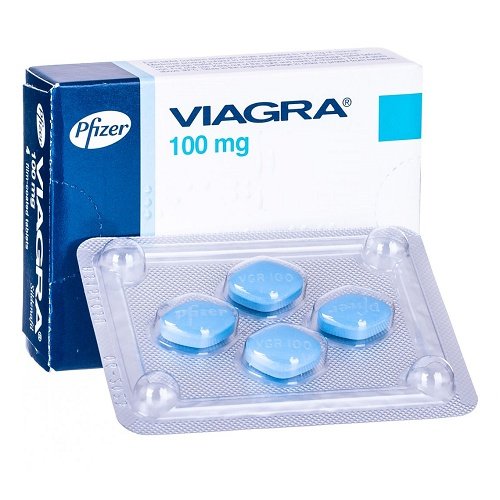
Does Viagra Fit Your Life—or Just Your Symptoms?
Picture a patient: mid-50s, sitting in a doctor’s office in Chicago, reciting the familiar frustrations—disappointment, awkwardness, uncertainty. Erectile dysfunction (ED) isn’t just a medical diagnosis; for many men, it’s a blow to confidence, relationships, the very sense of self. Viagra enters the conversation less as a miracle pill and more as a question mark: will this fix things, or just add another disappointment to the list?
The truth is, Viagra isn’t for every man, or for every type of ED. It fits some lives, not all. The single most important clinical fact: Viagra only works if there’s already some desire and arousal. It amplifies, but does not create. This isn’t a magic switch; it’s a lever—one that requires the right context and expectations.
In the United States, Viagra (sildenafil) remains the reference standard for treating ED. But its real-world effectiveness is shaped by more than the molecule: insurance coverage, prescription rules, privacy concerns, the rhythms of everyday life. If you’re reading this, the question isn’t just “will Viagra work?” but “will it work for me—in the way I actually live?”
Most men have already tried to fix the problem before they ever bring it up with a clinician. The decision to ask about Viagra is often the result of months—sometimes years—of hesitation. Knowing what the medication can (and cannot) do is the starting point for an informed, realistic conversation.
How Viagra Really Works (and Why Timing Is Everything)
Viagra’s promise lies in its ability to support natural sexual response. It does this by enhancing the effect of nitric oxide, relaxing blood vessels in the penis, and allowing more blood to flow in during sexual stimulation. No stimulation, no effect.
- PDE5 Inhibitor
- A class of drugs (including sildenafil) that block the enzyme phosphodiesterase type 5, which breaks down a chemical needed for erections. By blocking PDE5, Viagra helps maintain higher levels of this chemical, supporting an erection in response to sexual arousal.
Timing isn’t just a technicality. Taking Viagra 30–60 minutes before sexual activity matters. Food—especially a high-fat meal—can blunt the effect. Alcohol can both reduce performance and increase the odds of side effects. In practice, that means planning ahead, not waiting for spontaneity.
The effects of Viagra typically last 4–6 hours, but that doesn’t mean an erection lasts that long. Rather, you’ll have an increased ability to get and maintain an erection if you’re sexually aroused during this window. For many, this is both a relief and a reality check: Viagra isn’t an “on demand” medication; it’s a window of opportunity.
- Take on an empty stomach for fastest effect
- Avoid heavy or fatty meals within an hour of dosing
- Plan for at least 30 minutes to onset; don’t rush
- Limit alcohol—more than 2 drinks can blunt the effect
- Remember: sexual stimulation is still required
Unlike some competitors, Viagra’s onset is moderately quick—but not instant. The need for planning can be a benefit or a barrier, depending on your lifestyle and expectations. If you expect spontaneity, a different ED medication may be a better fit.
What Most Patients Get Wrong About Viagra—And How to Avoid It
The most common misconception? That Viagra guarantees an erection, no matter what. In reality, effectiveness depends on arousal, health status, and correct use. Many patients are surprised when the first dose fails to deliver—and blame the drug or themselves.
“In my practice, the biggest disappointment comes from men who expect Viagra to work like a switch, not a support. I always tell my patients: if it doesn’t work the first time, that’s not failure. Sometimes it takes fine-tuning—timing, dosage, even addressing anxiety or underlying health issues—before we see the real benefit.”
Another common error: using over-the-counter supplements or unregulated “herbal” products in hopes of a cheaper, safer, or more “natural” fix. These products are not regulated by the FDA, may contain harmful substances, and can interact dangerously with medications or underlying conditions.
- Viagra will work even if I’m not in the mood — Fact: It won’t.
- More is better — Fact: Higher doses increase side effects, not success rates.
- Online “no prescription” sites are safe — Fact: These are often illegal and may sell counterfeit products.
- Viagra is unsafe for older adults — Fact: Age alone isn’t a barrier; overall health is what matters.
Understanding these pitfalls upfront can save frustration, time, and risk. For many patients, a single honest conversation (with a provider who sees ED every week) is the fastest route to success.
Viagra vs. Its Competitors: The Comparison Table That Actually Helps
Many patients arrive with a simple question: “Is Viagra better than Cialis or Levitra?” The answer isn’t one-size-fits-all. The right choice depends on your health, your plans, and your priorities: speed, duration, flexibility, and cost.
| Medication | Active Ingredient | Onset (minutes) |
Duration (hours) |
Food Interactions | Prescription Only (U.S.) | Common Side Effects | Typical Cost (Brand/Generic) |
|---|---|---|---|---|---|---|---|
| Viagra | Sildenafil | 30–60 | 4–6 | Fatty meals slow effect | Yes | Headache, flushing, nasal congestion | High/Moderate |
| Cialis | Tadalafil | 30–45 | 24–36 | No major effect | Yes | Back pain, muscle aches, flushing | Very High/Moderate |
| Levitra | Vardenafil | 30–60 | 4–5 | High-fat meals may affect | Yes | Flushing, headache, dizziness | High/Moderate |
Viagra is often chosen for its balance: reliable onset, strong clinical track record, and broad experience in the United States. Cialis (tadalafil) is preferred by men who want a longer window—sometimes called the “weekend pill.” Levitra (vardenafil) is similar to Viagra but may work better for some men with diabetes. Cost varies: generics have made all of these more affordable, but insurance coverage is inconsistent.
Taking Viagra in Real Life: How to Set Yourself Up for Success
Getting the best results from Viagra isn’t just about swallowing a pill. It’s about understanding what helps—and what gets in the way. Many men who report “failure” with Viagra simply missed a key step in the process.
Think of Viagra as part of a process, not a single act. The experience is shaped by your expectations, your health, and the context of each use. Below is a list of tips—from clinical and patient experience—that reliably improve outcomes.
- Start with the standard dose (usually 50 mg), unless your doctor recommends otherwise. This is the dose most likely to be effective without excessive side effects.
- Take it on an empty stomach for faster onset. Fatty foods slow down absorption and can reduce effectiveness.
- Allow enough time. Don’t expect results in 10 minutes. Most men see effect in 30-60 minutes, sometimes longer.
- Stay relaxed and focus on arousal. Anxiety is a common barrier to success with Viagra. The mind matters as much as the medication.
- If the first attempt doesn’t work, don’t give up. Often, it takes multiple tries to get the timing and context right. Adjust with your doctor’s help.
- Communicate with your partner. Shared understanding reduces pressure and increases the odds of success.
- Avoid excessive alcohol. More than two drinks can reduce Viagra’s effect and raise the risk of side effects.
Consistency increases confidence. Men who use Viagra a few times, in differing situations, often report much higher satisfaction with both performance and their relationship.
| Patient Group | Recommended Starting Dose | Adjustment Factors | Maximum Dose |
|---|---|---|---|
| Typical adult | 50 mg | May adjust to 25 mg or 100 mg based on efficacy and tolerance | 100 mg/day |
| Older adults (>65 years) | 25 mg | Start lower due to slower metabolism | 100 mg/day |
| Renal or hepatic impairment | 25 mg | Cautious use; slower clearance | 100 mg/day |
Adjustments are based on individual response and side effects. Never increase the dose without consulting your healthcare provider. Weekly or monthly use is as effective as daily for most men, unless instructed otherwise for specific conditions.
Who Should Not Take Viagra? The Red Lines That Matter
Some medical conditions and medications make Viagra unsafe. The most important absolute contraindications are:
- Nitrate medication for angina/chest pain
- Recent heart attack or stroke (within the last 6 months)
- Severe heart failure or unstable angina
- Severe liver impairment
- Hereditary degenerative eye disorders (such as retinitis pigmentosa)
Relative contraindications—situations where caution is essential, and the risks and benefits should be discussed in detail:
- Uncontrolled high or low blood pressure
- Active peptic ulcer disease
- Significant kidney disease
- Anatomical deformation of the penis (e.g., Peyronie’s disease)
- Known hypersensitivity to sildenafil or excipients
In the U.S., prescribing is tightly regulated: only licensed healthcare providers can prescribe Viagra, and your doctor will review your full medication and health history before initiating treatment.
Which Side Effects Matter Most with Viagra—and When to Act
Most side effects of Viagra are mild and resolve on their own: headache, flushing, nasal congestion, sometimes indigestion or back pain. But some signs mean you need to stop and call your doctor—or, rarely, seek emergency care.
- Priapism
- A sustained, often painful erection lasting more than 4 hours. This is a medical emergency—untreated, it can cause permanent damage.
Vision changes—blurring, blue-tinged vision—are usually temporary, but sudden loss of vision or hearing must be treated as urgent. Allergic reactions, while rare, require immediate medical attention.
| Side Effect | How Common? | When to Contact a Doctor |
|---|---|---|
| Headache | Very common (10–16%) | If persistent or severe, or accompanied by other symptoms |
| Flushing | Common (8–12%) | If associated with chest pain or fainting |
| Nasal congestion | Common (4–9%) | If severe or affecting breathing |
| Visual changes (blue vision, blurred) | Uncommon (<3%) | If sudden or persistent, stop medication and call doctor |
| Priapism (erection >4 hours) | Rare (<0.1%) | Seek emergency care immediately |
| Sudden hearing loss | Very rare | Stop medication and seek urgent care |
| Allergic reaction (rash, swelling, trouble breathing) | Very rare | Call 911 or seek emergency care |
Most men never experience serious side effects, and those who do typically recover fully when the medication is stopped. Honest conversations about what to expect—before you start—reduce both anxiety and risk. If in doubt, call your doctor: that’s not overreacting, it’s smart care.
Getting Viagra in the United States: Prescription, Cost, and the Real-World Path
In the United States, Viagra is a prescription-only medication—no exceptions. The FDA regulates its sale tightly, and any website or pharmacy that advertises “prescription-free” Viagra is operating illegally and may be selling counterfeit drugs.
Insurance coverage is variable. Some commercial plans and Medicare Part D plans cover generic sildenafil, but brand-name Viagra is rarely fully covered. Out-of-pocket costs can range from $10 (generic) to over $70 per tablet (brand) depending on your pharmacy and insurance.
- Primary care providers can prescribe Viagra after a review of your history and medications.
- Urologists may be needed for complex or refractory cases.
- Telemedicine services now offer private, legal evaluation and prescription—especially valued by men seeking discretion.
- Pharmacies in the U.S. require a valid prescription; online orders should always be through pharmacy sites verified by the National Association of Boards of Pharmacy (NABP).
- Assistance programs may be available through the manufacturer or third parties for low-income patients.
Generic sildenafil is clinically equivalent to branded Viagra—same active ingredient, same effect, at a much lower cost. If cost is a concern, ask your provider to prescribe generic explicitly, and check your pharmacy’s pricing.
Frequently Asked Questions about Viagra
- 1. Will Viagra make me have an erection immediately after I take it?
- No—Viagra only works in response to sexual stimulation. You won’t get an erection just from taking the pill; arousal is essential. The effect typically begins within 30–60 minutes, lasting 4–6 hours.
- 2. Can I get Viagra without a prescription in the United States?
- No. All legal sales of Viagra and sildenafil in the U.S. require a prescription. Online sites advertising “no prescription” options are not legitimate and may be dangerous.
- 3. Is it safe to take Viagra if I have heart disease?
- It depends on your specific condition and medications. If you take nitrates or have had a recent heart attack or stroke, Viagra is absolutely contraindicated. Otherwise, many men with stable heart disease can use Viagra safely under a doctor’s supervision.
- 4. What if Viagra doesn’t work the first time?
- Don’t be discouraged. Many men need two or three attempts—adjusting timing, dosage, and context—before seeing optimal results. If it consistently fails, consult your doctor to explore other causes or options.
- 5. Are there long-term risks to using Viagra?
- With appropriate use, long-term risks are low. There is no evidence that Viagra causes dependence, tolerance, or major organ damage when used as prescribed. Regular reviews with your physician are advisable.
- 6. How does Viagra compare to generic sildenafil?
- Generic sildenafil contains the same active ingredient as Viagra. Effectiveness and safety profile are equivalent. The main differences are branding, price, and (sometimes) tablet appearance.
- 7. What should I do if I experience side effects with Viagra?
- For mild symptoms (headache, flushing), reduce the dose or discuss with your doctor. For serious symptoms—vision changes, chest pain, prolonged erection, or allergic reaction—stop the medication immediately and seek medical attention.
- 8. Can I drink alcohol while taking Viagra?
- Moderate drinking (one or two drinks) is generally safe, but more can reduce Viagra’s effectiveness and increase side effects such as dizziness or low blood pressure. Heavy drinking is discouraged.
- 9. Is Viagra covered by insurance or Medicare?
- Some private insurance plans and Medicare Part D plans will cover generic sildenafil, but coverage for brand-name Viagra is rare. Check with your insurer and ask your doctor to specify “generic substitution” if possible.
- 10. Can women use Viagra?
- Viagra is FDA-approved only for men with erectile dysfunction. It is not indicated or proven effective for women, and safety data in women is limited.
Sources and References
- U.S. Food and Drug Administration (FDA)
- Mayo Clinic: Erectile Dysfunction
- American Urological Association. Erectile Dysfunction: Clinical Practice Guideline, 2018.
- Pfizer: Viagra Prescribing Information
- PubMed
- ClinicalTrials.gov
- National Association of Boards of Pharmacy
- NIH: U.S. National Library of Medicine. Sildenafil. Drug Information. 2023.