
- Home/
- Buy Cialis Without Prescription in the United States Online
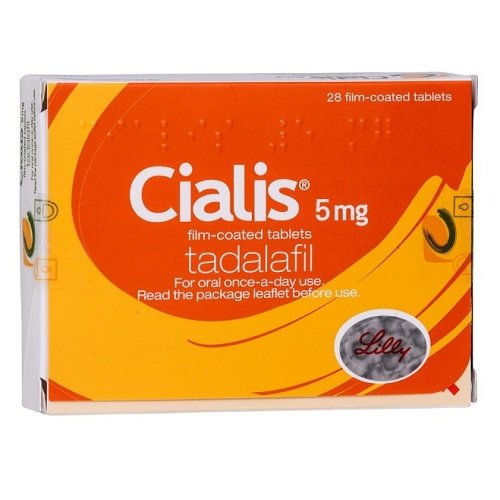
Cialis (Tadalafil) in the United States: The Complete Patient Guide for Erectile Dysfunction
Can Cialis be obtained without a prescription in the United States?
No. Cialis (tadalafil) is a prescription medication in the United States. It is not legally available over the counter; it can only be dispensed with a valid prescription from a licensed healthcare provider.
Key Takeaways
- Cialis is intended for adults experiencing erectile dysfunction and requires a prescription in the United States.
- It typically starts working within 30–60 minutes, but sexual stimulation is still required for effect.
- The most important safety consideration is avoiding use with nitrates or certain heart medications—this combination can be life-threatening.
- Cialis offers flexible dosing options: either as-needed or once-daily, depending on your needs and doctor’s guidance.
- If you experience chest pain, sudden vision loss, or an erection lasting more than 4 hours, seek immediate medical attention.
- Consult your doctor for the most appropriate treatment—never obtain Cialis from unverified sources.
Table of Contents
- How Does Cialis Work? (Mechanism of Action)
- Patient Expectations vs. Clinical Reality
- How to Take Cialis: Dosage, Timing, and Duration
- Food, Alcohol, and Lifestyle Interactions with Cialis
- Who Should Not Take Cialis? (Contraindications & Red Flags)
- What Side Effects Are Most Common with Cialis?
- Mistakes to Avoid When Taking Cialis
- Cialis vs Other ED Treatments: How Does It Compare?
- Cialis: Technical & Pharmaceutical Details
- Cialis Compatibility Check with Other Medications
- How Is Cialis Metabolized? (Pharmacokinetics)
- Cialis in Special Patient Populations
- Original Cialis vs Generics: What’s the Difference?
- How to Spot Counterfeit Cialis and Ensure Product Quality
- Safe Online Pharmacies: What U.S. Patients Need to Know
- How to Get Cialis in the United States: Step-by-Step Guide
- What to Do in Case of Cialis Overdose
- Acknowledging the Psychological Side of ED
- Questions Patients Ask Their Doctor About Cialis
- doctor’s Clinical Assessment: Who Benefits from Cialis?
- FAQ: Quick Answers About Cialis in the United States
- References
How Does Cialis Work? (Mechanism of Action Explained)
Cialis contains tadalafil, a potent and selective inhibitor of phosphodiesterase type 5 (PDE5). PDE5 is the enzyme responsible for breaking down cyclic guanosine monophosphate (cGMP) in the smooth muscle cells lining the blood vessels of the penis. During sexual stimulation, nitric oxide (NO) is released, which increases cGMP and causes the blood vessels to relax—allowing more blood to flow into the penis and resulting in an erection.
By inhibiting PDE5, Cialis maintains higher levels of cGMP. This prolongs and enhances the natural erectile response to sexual stimulation. Importantly, tadalafil does not cause an erection on its own: sexual arousal is required for the medication to work.
Simplified Metaphor: Think of cGMP as the “signal” that turns on the blood flow for an erection. PDE5 is the “off-switch.” Cialis delays the off-switch, so the signal stays active longer, but you still need to “flip the switch” with sexual arousal.
Cialis has a unique pharmacological profile compared to other PDE5 inhibitors: its half-life is around 17.5 hours, allowing up to 36 hours of potential effectiveness after a single dose. This has earned it the nickname “the weekend pill.”
References:
FDA,
PubMed: 2024 Review of Tadalafil Pharmacology
Why Patients’ Expectations Often Differ From Clinical Outcomes
As a physician, I frequently see patients expecting Cialis to work instantly or to produce an erection regardless of circumstances. Many are surprised to learn that sexual stimulation is essential—even with medication onboard, an erection will not occur passively. Some patients judge success solely by the timing or intensity of their first experience, overlooking factors like anxiety, relationship dynamics, or overall health that can heavily influence outcomes. Others mistakenly believe that increasing the dose will always improve results, not realizing there’s a ceiling effect and safety risk. Patients rarely ask about how alcohol, heavy meals, or their other medications might impact efficacy, even though these are frequent reasons why results vary. In clinical reality, a thorough discussion about expectations, possible need for dose adjustments, and addressing underlying psychological or medical issues is just as important as the prescription itself.
How to Take Cialis: Dosage, Timing, and Duration
Cialis is available in the United States as 2.5 mg, 5 mg, 10 mg, and 20 mg tablets.
- As needed: The typical starting dose is 10 mg, taken at least 30 minutes before anticipated sexual activity. Based on effectiveness and tolerability, your doctor may adjust the dose to 20 mg or down to 5 mg. Never take more than one dose per day.
- Daily use: For those who anticipate sexual activity at least twice a week, a daily dose of 2.5 mg or 5 mg at the same time each day can be prescribed.
Peak effect: Usually occurs between 1–2 hours after taking the tablet, though some effect can be observed as early as 30 minutes.
Duration: Effects can last up to 36 hours with as-needed dosing. After daily dosing, steady-state blood levels are achieved within 5 days, providing continuous effect.
Tablet splitting: Cialis tablets are film-coated and not scored. Splitting is not recommended; always use the prescribed dose.
- Maximum dose: 20 mg in 24 hours for as-needed use.
- Elderly and impaired patients: Dose adjustments may be necessary for those with liver or kidney impairment; consult your doctor.
References:
Official FDA Cialis Prescribing Information
Food, Alcohol, and Lifestyle Interactions with Cialis
Cialis may be taken with or without food. High-fat meals do not significantly affect the time to peak concentration or the extent of tadalafil absorption, unlike some other ED medications. However, extremely large or fatty meals may delay onset in rare cases.
- Alcohol: While moderate alcohol (up to 2 standard drinks) is generally safe, excessive alcohol intake can increase the risk of hypotension (dizziness, fainting) and worsen side effects. Avoid alcohol if you have heart conditions or are at risk for low blood pressure.
- Grapefruit juice: Grapefruit and its juice inhibit CYP3A4, an enzyme involved in the breakdown of tadalafil, potentially increasing risk of side effects. Regular consumption should be avoided unless discussed with your doctor.
- Other lifestyle factors: Heavy smoking and uncontrolled diabetes can reduce effectiveness.
Myth vs Reality: Myth: “Cialis works instantly, no matter what you eat or drink.”
Reality: Alcohol and grapefruit juice can alter its effects, and sexual stimulation is always required for results.
Who Should Not Take Cialis? (Contraindications & Red Flags)
- Absolute Contraindications (Never Use):
-
- Use with any form of nitrate medication (nitroglycerin, isosorbide dinitrate, etc.)—this can cause life-threatening hypotension.
- Severe heart failure, unstable angina, or recent heart attack (within the last 90 days).
- Stroke within the last 6 months.
- Severe hypotension (<90/50 mmHg) or uncontrolled hypertension.
- Severe liver impairment (Child-Pugh class C).
- Known allergy to tadalafil or any component of the tablet.
- Relative Contraindications (Use with Caution, Under Doctor Supervision):
-
- Mild/moderate liver or kidney impairment (dose adjustment required).
- Retinitis pigmentosa (rare inherited eye disease).
- History of priapism or blood cell disorders (e.g., sickle cell anemia, leukemia, multiple myeloma).
- Significant anatomical penile deformity.
- Active peptic ulcer or bleeding disorder.
Why? Nitrates and Cialis both relax blood vessels; combined, they can cause a dangerous drop in blood pressure. Severe heart or liver disease impairs drug metabolism and increases risk of toxicity. Eye diseases or blood disorders elevate risk of rare but serious complications.
What Side Effects Are Most Common with Cialis?
Cialis is generally well-tolerated, but side effects can occur.
- Very Common (>1 in 10):
-
- Headache
- Indigestion (dyspepsia)
- Common (>1 in 100):
-
- Back pain or muscle aches (usually mild and self-limiting)
- Facial flushing (due to increased blood flow)
- Nasal congestion
- Upper respiratory tract symptoms
- Dizziness
- Uncommon/Rare (<1 in 1,000):
-
- Prolonged erection (priapism)—a medical emergency if lasting >4 hours
- Sudden hearing or vision loss (including NAION—non-arteritic anterior ischemic optic neuropathy)
- Hypotension or syncope (fainting)
If side effects occur: Most mild symptoms resolve spontaneously. For serious symptoms (chest pain, visual changes, or an erection >4 hours), seek emergency medical care immediately.
Frequent Patient Pitfalls When Using Cialis
- Taking Cialis without sexual stimulation. Cialis is not an aphrodisiac—sexual arousal is necessary for it to work. Solution: Use in situations where intimacy is likely.
- Doubling the dose after one failed attempt. Increasing the dose beyond the prescribed amount does not guarantee better results and increases the risk of side effects. Solution: Speak with your doctor instead of self-adjusting.
- Mixing Cialis with large quantities of alcohol or grapefruit juice. This can delay or reduce effectiveness and increase side effect risks. Solution: Avoid these substances around dosing time.
- Taking more than one dose within 24 hours. This raises the risk of side effects and toxicity without additional benefit. Solution: Always respect the prescribed dosing schedule.
- Stopping the medication too soon on daily regimens. Some require several days for steady effect. Solution: Discuss concerns with your doctor before discontinuation.
- Obtaining Cialis from unverified or illegal sources. Risk of counterfeit or substandard product is high. Solution: Only use legitimate, licensed pharmacies.
Cialis vs Other ED Treatments: How Does It Compare?
The main alternatives to Cialis in the United States are Viagra (sildenafil) and Levitra (vardenafil). Here’s how they stack up on key criteria:
| Medication | Onset Speed | Duration | Food/Alcohol Sensitivity | Common Side Effects | Price per Tablet* |
|---|---|---|---|---|---|
| Cialis (Tadalafil) | 30–60 min | Up to 36 hours | Not affected by food; moderate alcohol ok | Headache, dyspepsia, back pain | $25–$70 (brand); $5–$15 (generic) |
| Viagra (Sildenafil) | 30–60 min | 4–6 hours | High-fat meals delay effect; alcohol increases risk | Flushing, headache, visual changes | $60–$80 (brand); $2–$10 (generic) |
| Levitra (Vardenafil) | 30–60 min | 4–8 hours | Food delays effect; alcohol increases risk | Headache, flushing, nasal congestion | $40–$60 (brand); $7–$20 (generic) |
*2026 estimated U.S. retail prices; may vary by pharmacy and insurance coverage.
- Cialis stands out for its long duration, flexible dosing, and lower sensitivity to food intake.
- Viagra is often less expensive as a generic but has shorter duration and more interaction with food.
- Levitra offers similar onset/duration to Viagra but is less commonly prescribed in the United States.
References: Mayo Clinic: Sildenafil
Cialis: Technical & Pharmaceutical Details
| Active Ingredient | Tadalafil |
| Available Strengths (U.S.) | 2.5 mg, 5 mg, 10 mg, 20 mg |
| Formulation | Film-coated oral tablet |
| Prescription Status | Prescription-only |
| Typical Administration | As needed or once daily |
| Time to Peak Plasma | ~2 hours |
| Half-life | ~17.5 hours |
| Storage Requirement | 20–25°C (68–77°F), protect from moisture |
| Original Manufacturer | Eli Lilly and Company |
Cialis Compatibility Check with Other Medications
| Type of Product | Can Be Combined? | Potential Consequences |
|---|---|---|
| Aspirin or NSAIDs | Yes | No significant interaction |
| Nitrates (Nitroglycerin, etc.) | STRICTLY NO | Severe hypotension, risk of death |
| Alpha-blockers (for prostate) | Use with caution | Possible drop in blood pressure |
| Antibiotics (erythromycin, clarithromycin) | Use with caution | May increase Cialis levels; risk of side effects |
| Antifungals (ketoconazole) | Use with caution | May increase Cialis levels; consult doctor |
| Alcohol | Limited | Increases risk of hypotension |
| Grapefruit juice | Not recommended | May raise blood Cialis level |
How Is Cialis Metabolized? What Patients With Chronic Conditions Should Know
Tadalafil is absorbed in the gastrointestinal tract and reaches peak levels in about 2 hours. It is metabolized primarily by the liver enzyme CYP3A4, and its breakdown products are excreted mainly in the feces, with a smaller fraction via urine. The average elimination half-life is approximately 17.5 hours, which is longer than most other ED medications.
- Liver or kidney impairment: Slower metabolism; dose adjustments are often needed.
- In elderly patients: Clearance is slightly reduced, but no major adjustment is typically required unless other conditions are present.
References: FDA
Cialis in Special Patient Populations: What You Need to Know
- Chronic kidney or liver disease: Lower starting doses; regular monitoring is advised.
- Cardiovascular conditions: Not recommended if recent heart attack/stroke, unstable angina, or severe heart failure.
- People with blood cell disorders: Higher risk of priapism—close supervision required.
- Does Cialis affect fertility? Studies show no significant effect on sperm count or quality at approved doses (PubMed: 2021 Review).
- Impact on driving/operating machinery: Dizziness or visual disturbances can occur; assess your reaction before engaging in hazardous activities.
- Women and children: Cialis is not indicated for use in women or anyone under 18 years in the United States.
Original Cialis vs Generics: What’s the Difference?
Since 2018, generic tadalafil has been available in the United States. Generics must meet FDA standards for bioequivalence, safety, and efficacy. The active ingredient is identical, but excipients (inactive ingredients, coloring, binders) may differ slightly between brands. In rare cases, excipient differences may cause allergic reactions.
- Original Cialis: Manufactured by Eli Lilly. Typically more expensive, but widely trusted. Packaging features: yellow film-coated tablet, “C 20” or equivalent engraving, branded blister pack with unique lot number.
- Generics: Produced by numerous FDA-approved manufacturers. Appearance and packaging may vary, but must clearly state “tadalafil,” FDA NDC code, and manufacturer information.
Bottom line: Generics are a safe, affordable alternative for most patients. If you have a history of excipient allergies, inform your pharmacist.
How to Spot Counterfeit Cialis and Ensure Product Quality
Counterfeit ED medications are widespread in the United States, especially online. Look for these signs of authentic Cialis:
- Original tablets are almond-shaped, yellow, and marked with a “C” and dosage (e.g., “C 20” for 20 mg).
- Packaging includes manufacturer details (Eli Lilly), lot number, and expiration date.
- Blister packs: Foil should have consistent font, no misspellings, and batch numbers that match the box.
- FDA-approved U.S. versions may include a QR code or hologram; suspiciously low prices, unmarked tablets, or missing labeling signal risk.
Myth vs Reality: Myth: “If it’s cheaper online, it’s a good deal.”
Reality: Unusually low prices usually indicate counterfeit, expired, or substandard products—these can be dangerous or ineffective.
For generics: Appearance will differ by manufacturer, but packaging must list “tadalafil,” FDA NDC, and U.S. distributor.
Safe Online Pharmacies: What U.S. Patients Need to Know
Always use verified, licensed pharmacies. In the United States, the NABP .Pharmacy Program and FDA BeSafeRx help you confirm pharmacy legitimacy.
- Check for a valid U.S. state license (usually displayed on the pharmacy website).
- Look for “VIPPS” (Verified Internet Pharmacy Practice Sites) or “.pharmacy” accreditation.
- Never purchase Cialis from sites that do not require a prescription or offer unusually low prices.
- Be suspicious of pharmacies that ship from outside the United States or lack clear contact information.
- Counterfeit risks: Non-accredited online sources may sell products with incorrect ingredients or dangerous contaminants.
Consumer protection: U.S. law prohibits interstate sale of prescription drugs without a prescription. Report suspicious sites to the FDA or state board of pharmacy.
How to Get Cialis in the United States: Step-by-Step Guide
- Schedule a consultation: Make an appointment with a primary care provider, urologist, or qualified telehealth provider licensed in your state.
- Medical evaluation: Your healthcare professional will assess your symptoms, health history, medications, and possible contributing factors.
- Prescription: If appropriate, your doctor will write a prescription for Cialis or generic tadalafil, including dose and instructions.
- Fulfillment: Fill your prescription at a local licensed pharmacy or a verified online/mail-order pharmacy. Pharmacies may offer brand or generic options based on availability and insurance coverage.
- Follow-up: Schedule follow-up appointments to assess effectiveness and monitor side effects.
Telehealth: Many reputable telemedicine platforms in the United States offer ED consultations and can prescribe Cialis if medically appropriate, delivering to your address after verification.
What to Do in Case of Cialis Overdose
- Stop taking the medication immediately.
- Contact emergency services (911) or go to the nearest emergency department.
- Inform medical staff of the exact dose taken and the time of ingestion.
- Bring the medication packaging, if available, for identification.
- Follow all instructions given by emergency personnel.
Symptoms of overdose: Severe headache, dizziness, drop in blood pressure, irregular heartbeat, priapism, or sudden visual changes.
Acknowledging the Psychological Side of ED
Erectile dysfunction is common, treatable, and nothing to be ashamed of. Psychological factors—such as stress, anxiety, or relationship issues—can play a major role. Many men benefit from discussing concerns with their partner or a mental health professional alongside medication.
Questions Patients Often Ask Their Doctor About Cialis
- How soon after starting Cialis will I see results?
- Most patients notice a response within the first dose, often within 30–60 minutes. However, for daily dosing, it may take several days to build up steady levels—consistency is key.
- Can I switch between as-needed and daily Cialis dosing?
- Yes, but switching should be guided by your doctor based on your response, side effect profile, and sexual activity pattern. Never alternate regimens on your own.
- What should I do if Cialis doesn’t seem to work for me?
- Let your doctor know, as this may be due to psychological factors, timing, improper dosing, or underlying medical issues. Sometimes a dose adjustment or addressing lifestyle factors can help.
- Is it safe to use Cialis long-term?
- For most men, long-term use is safe when monitored by a physician. Regular checkups ensure no emerging health problems or interactions are missed.
- Will Cialis interfere with my other medications?
- Most commonly prescribed drugs are compatible, but always review your medication list with your doctor—particularly heart medications, antibiotics, and antifungals.
- Can Cialis be used for conditions other than erectile dysfunction?
- Yes, tadalafil is also approved at different doses for benign prostatic hyperplasia (BPH). If you have urinary symptoms, discuss this with your physician.
- Will Cialis cure my erectile dysfunction?
- Cialis addresses the symptoms but does not cure the underlying cause. A holistic approach—including lifestyle changes and addressing psychological factors—often provides the best results.
doctor’s Clinical Assessment: Who Benefits Most from Cialis, and When to Consider Alternatives
In my clinical experience, Cialis is most beneficial for men who want flexibility in timing intimacy or prefer not to plan exact sexual activity. The once-daily option provides continuous readiness for those who desire spontaneity or have frequent sexual activity. Patients with stable cardiovascular health and normal liver and kidney function typically tolerate Cialis well. On the other hand, individuals using nitrates or alpha-blockers, those with recent cardiac events, and patients with severe hepatic or renal impairment are usually not good candidates. For men seeking a shorter-acting option or who experience bothersome muscle/back pain, alternatives like sildenafil may be preferable. It’s critical to reassess therapy if there’s inadequate response, new medical conditions, or significant side effects—sometimes, adjusting the dose or switching to another PDE5 inhibitor is more appropriate. Ultimately, choosing the right medication should be guided by patient preference, comorbidities, risk factors, and open discussion about expectations and lifestyle.
FAQ: Quick Answers About Cialis in the United States
- Is Cialis effective for all men with erectile dysfunction?
- Cialis is effective for most men but not all; response rates are high, but some may not benefit due to underlying medical or psychological factors.
- How long before sexual activity should I take Cialis?
- Take Cialis at least 30 minutes before anticipated activity. Peak effect is usually at 1–2 hours.
- Can I get Cialis without a prescription in the U.S.?
- No, Cialis requires a valid prescription from a licensed healthcare provider in the United States.
- What is the cost of Cialis in the U.S.?
- Brand-name Cialis typically costs $25–$70 per tablet; generics range from $5–$15. Prices vary by pharmacy and insurance.
- Are there side effects I should watch for?
- Common side effects include headache, indigestion, and back pain. Seek immediate medical attention for chest pain, sudden vision loss, or erections lasting more than 4 hours.
- What medications interact dangerously with Cialis?
- Nitrates, some heart medications, certain antibiotics, antifungals, and HIV drugs can interact. Always disclose your full medication list to your doctor.
- How long does Cialis stay in your system?
- The half-life is about 17.5 hours; effects can last up to 36 hours after a single dose.
- How do I know if the Cialis I received is genuine?
- Check for U.S. pharmacy labeling, correct pill markings, proper packaging, and fill your prescription only at licensed pharmacies.
- Can Cialis be delivered to my home?
- Yes, through verified mail-order or online pharmacies requiring a valid prescription from a U.S.-licensed provider.
- Is it safe to take Cialis with food or alcohol?
- Food does not affect Cialis. Moderate alcohol is usually safe, but excess should be avoided.
References
- FDA. Cialis (Tadalafil) Prescribing Information, 2023. FDA.gov
- PubMed. “Pharmacology and clinical efficacy of tadalafil,” 2024 Review. PubMed
- Mayo Clinic. “Sildenafil (Oral Route) Description and Brand Names,” 2026. Mayo Clinic
- FDA. BeSafeRx: Your Source for Online Pharmacy Information. FDA BeSafeRx
- NABP. “.Pharmacy Verified Sites Program.” NABP
- PubMed. “Tadalafil and Male Fertility: Systematic Review,” 2021. PubMed